LegacyGrid AI Addresses Prairie View City Council — Full Speech and What Comes Next
The Prairie View City Council heard the LegacyGrid AI case for HBCU-anchored AI infrastructure in Waller County. The council voted to give extra time. This is what was said — word for word — and what it means for Prairie View, PVAMU, and the region.
Carl Adams, Founder — LegacyGrid AI · July 2026
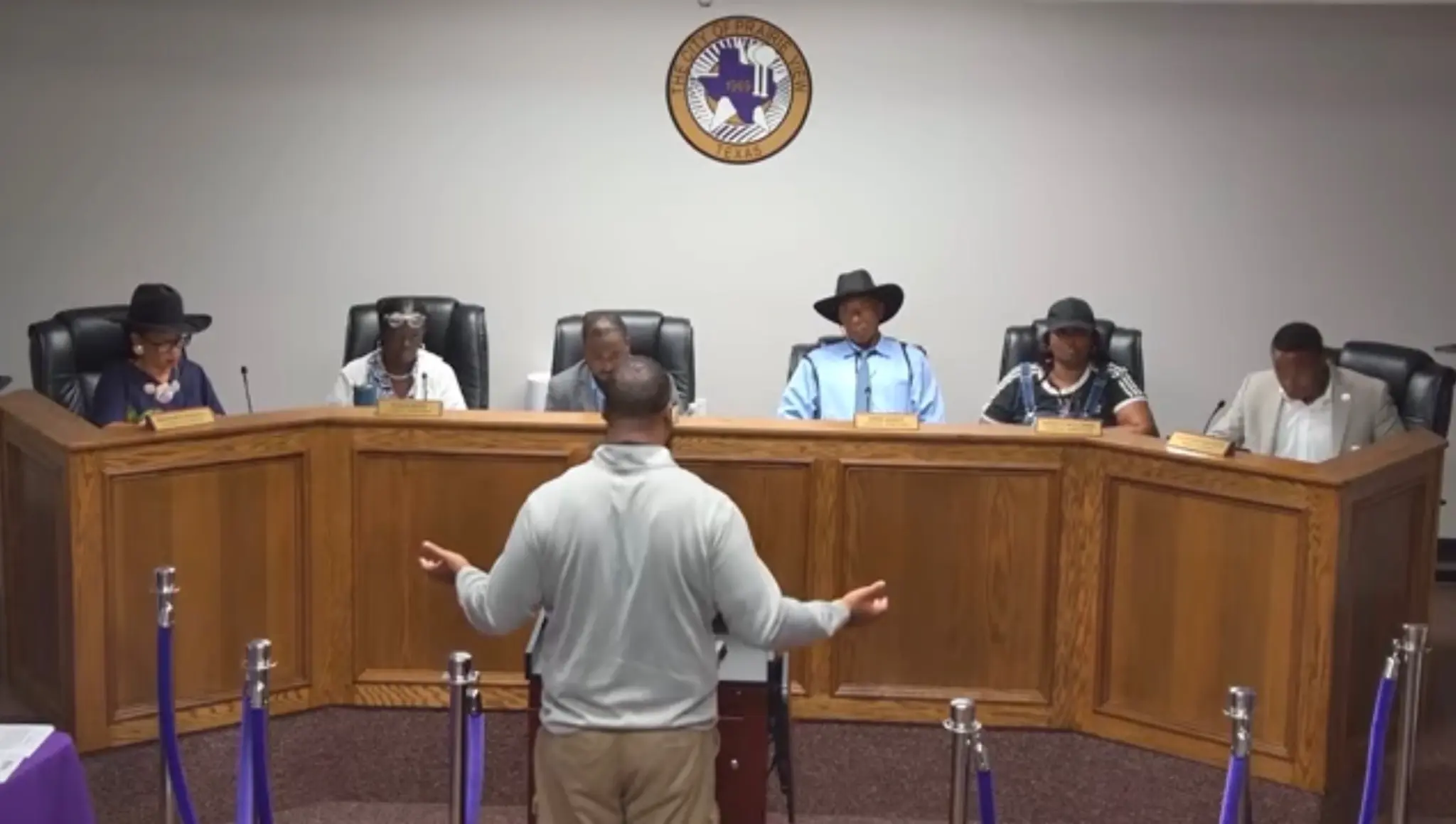
Prairie View City Hall — July 13, 2026 Regular City Council Meeting
Prairie View City Council Meeting — July 2026 · Speech begins at 24:01
The Room
Standing Before the Council
On a Tuesday evening in July 2026, I walked into Prairie View City Hall and addressed Mayor Alexander, Mayor Pro Tem, and the full city council. The room was quiet. I had three minutes at the podium. The council voted to give me two more.
I was not there to ask for a contract. I was not there to pitch a deal. I was there to put something on the public record — that Prairie View sits at the center of one of the most consequential AI infrastructure opportunities in Texas, and that the community deserves to be at the table before the decisions get made, not after.
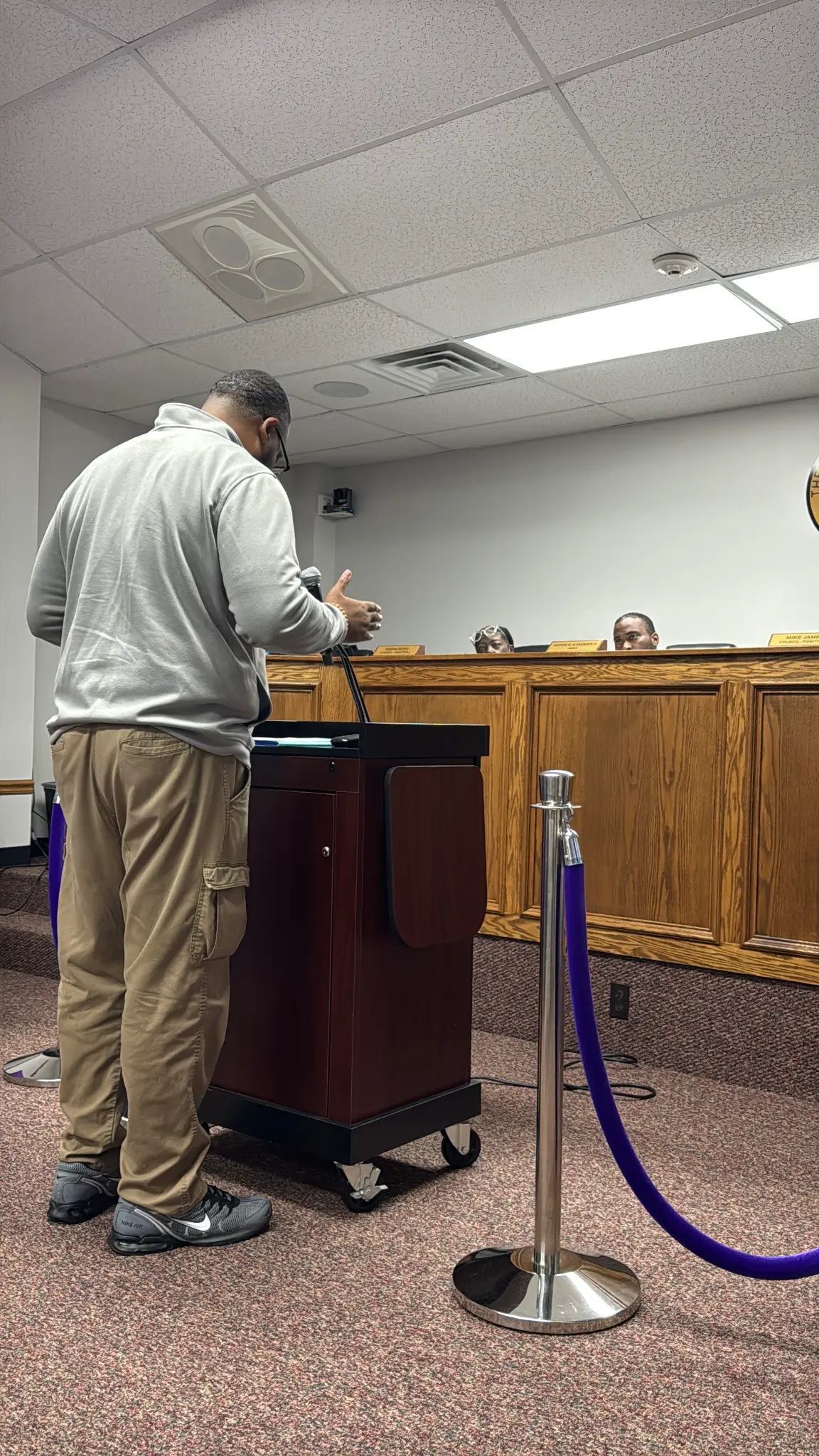
Carl Adams at the podium — Prairie View City Hall, July 2026
The Speech
What Was Said — Word for Word
I opened by introducing LegacyGrid AI and the EDC Certified standard:
"My name is Carl Adams, and I am the founder of LegacyGrid AI, an engineering and consulting firm specializing in responsible AI infrastructure, data center strategy, and workforce development. Our EDC Certified standard — which stands for Efficient Data Center — is our framework for ensuring that AI infrastructure projects are built safely, efficiently, and with measurable community benefit. Our mission is simple: to make sure HBCU students, cities, and local communities are not cut out of the AI infrastructure economy."
Then I made the case that this is not a future conversation — it is a present one:
"I'm here tonight because this is not a future issue. AI infrastructure is here in Waller County. I've personally been to the Serverfarm data center. It's state-of-the-art, water cooled, professionally operated, quiet. There are already two Serverfarm sites in Waller County. That means Prairie View and PVAMU are not waiting for the AI economy to arrive. It is already around us. The question is — will Prairie View and PVAMU help lead this growth, or will we watch it happen nearby without a local strategy?"
I referenced Nashville as a warning:
"Just last week, a Nashville Metro council moved forward with a moratorium on new data centers after a developer approached a community asset without a clear governance framework. Prairie View does not have to learn that lesson the hard way."
I addressed the opportunity directly — and the new mayor's connection to PVAMU:
"With the new mayor being a PVAMU graduate, Prairie View has a rare and historic opportunity to align the city, the university, Waller County, and responsible infrastructure partners around one shared vision — turning PVAMU into a technology powerhouse and showing the rest of the county how safe, efficient, community-centered data centers should be built."
I was clear about what this is actually about:
"This is not just about putting a data center at PVAMU. This is about creating an economic engine that benefits the city, the university, the students, the residents, and Waller County — through workforce pathways, student internships, compute access, infrastructure investment, and long-term public benefit built into the deal structure from day one."
The Four Pillars
The LegacyGrid AI Model
After the council voted to give me two additional minutes, I laid out the four pillars of the LegacyGrid AI infrastructure model:
No water use. Data centers that are quiet, safe, modern, and responsibly designed — not the kind of facility that strains local water supplies or creates noise complaints for surrounding neighborhoods.
Using energy storage to support reliability, reduce pressure on the grid, and create backup capacity that the city and community can benefit from — not just the data center operator.
Looking at how waste heat from data centers can be reused instead of wasted — a layer of efficiency that most data center deals never address.
Making sure PVAMU and Prairie View are not passive bystanders but active participants — through workforce training, student opportunity, compute access, and transparency built into the deal from the start.
The Ask
What I Asked the Council to Do
I connected LegacyGrid's work to the agenda item the council was already considering that night — a $10 million water infrastructure grant application — and made the point that water, power, land, fiber, roads, workforce, and governance are the foundation of the AI infrastructure economy. Then I made a specific request:
"My request is simple. I am asking that the city consider placing a future agenda item for a formal presentation or workshop on a Prairie View and PVAMU AI infrastructure readiness strategy. That workshop should bring together the city, PVAMU, Waller County, utilities, workforce partners, economic development leaders, and responsible data center partners — to explore how Prairie View can lead the opportunity instead of reacting to it later."
I closed with this:
"Waller County has the opportunity to become one of the fastest growing AI infrastructure regions in America. But Prairie View and PVAMU should be at the center of that growth — not on the sidelines. Prairie View should help define what responsible growth looks like. PVAMU should help define what AI education looks like. And together, the city and the university can show the world how it's done. Thank you."
Why It Matters
Why Going on Record Matters
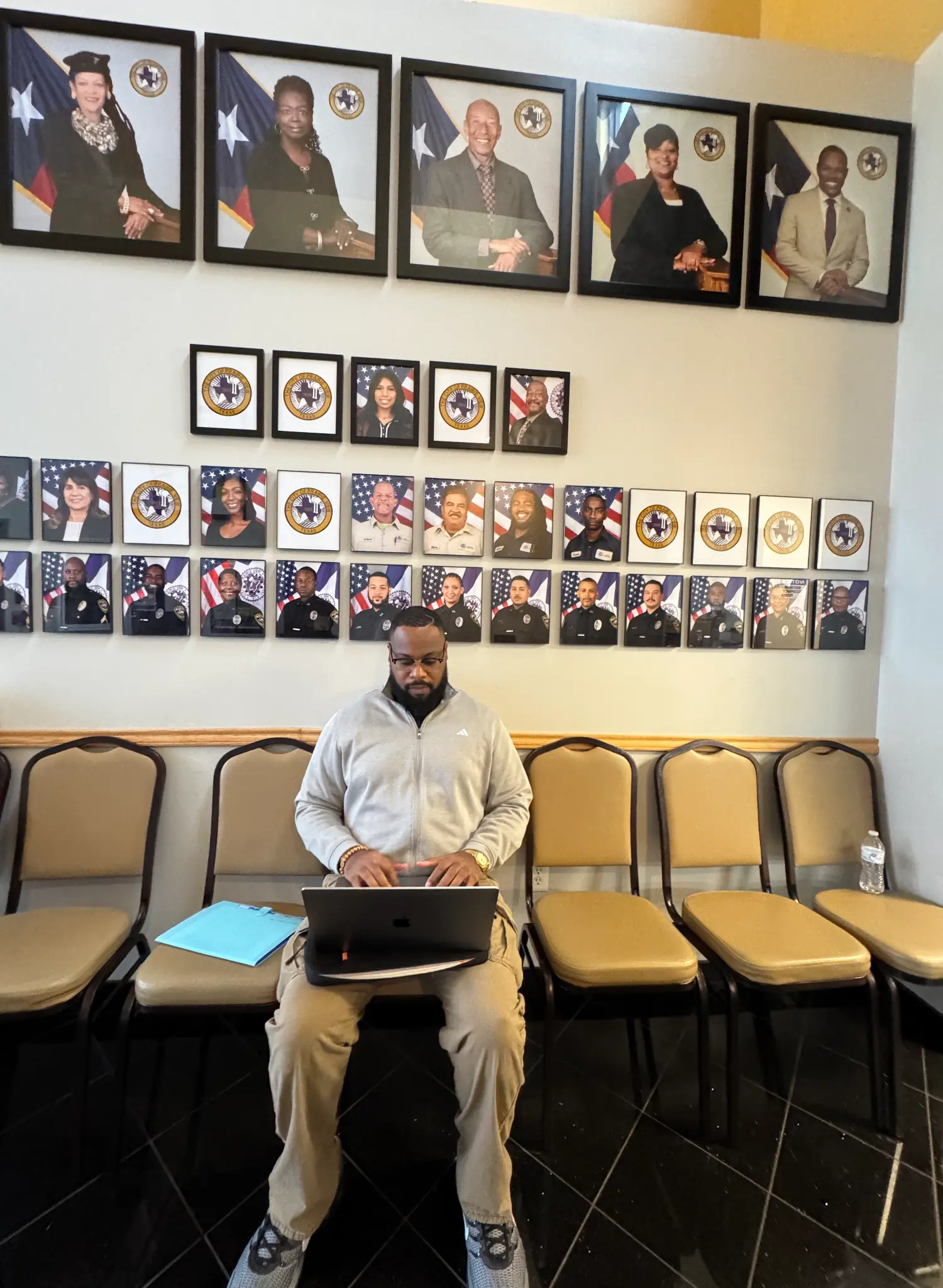
Preparing in the Prairie View City Hall lobby before the meeting
City council meetings are public record. What gets said at the podium becomes part of the documented history of a community's response to a major economic development opportunity. By going on record before any deal is announced, LegacyGrid AI is establishing that the community conversation started early — not after the contracts were signed.
That matters for accountability. It matters for the council members who will eventually be asked to weigh in on zoning, utility agreements, and community benefit frameworks. It matters for PVAMU's administration, which needs to know there is organized, informed community support for pursuing this opportunity on the right terms. And it matters for the record — so that when Waller County's AI infrastructure buildout is written about five years from now, Prairie View's early engagement is documented.
The AI infrastructure buildout in Texas is not slowing down. Waller County is not going to be skipped. The only variable is whether the institutions and communities in the path of that development have the frameworks, the advocates, and the documented public record to negotiate from a position of strength.
What's Next
The Road from City Hall to PVAMU
The city council meeting is one step in a longer sequence. The next conversations are with PVAMU's administration — presenting the same case at the institutional level, with the infrastructure model, the EDC framework, and the deal structure guardrails that LegacyGrid has built over the past year.
The goal is not to rush a deal. The goal is to make sure that when Serverfarm or any other operator comes to the table, PVAMU and Prairie View are not starting from zero. They have a framework. They have a community record. They have an advocate who has already done the work.
If you are a PVAMU administrator, a Waller County official, a Serverfarm representative, or anyone else who wants to understand what LegacyGrid AI is building and why — the door is open.
Explore the Model
The PVAMU Infrastructure Model is live. View the conceptual 60 MW campus design, explore the five infrastructure layers, and understand the full LegacyGrid EDC framework.