What Is AI Infrastructure Systems Engineering?
AI infrastructure is not a single discipline. It is a systems problem — and most organizations are trying to solve it without a systems engineer.
LegacyGrid AI · Engineering Notes
The Problem
Most AI Infrastructure Decisions Are Made Without a Systems Engineer
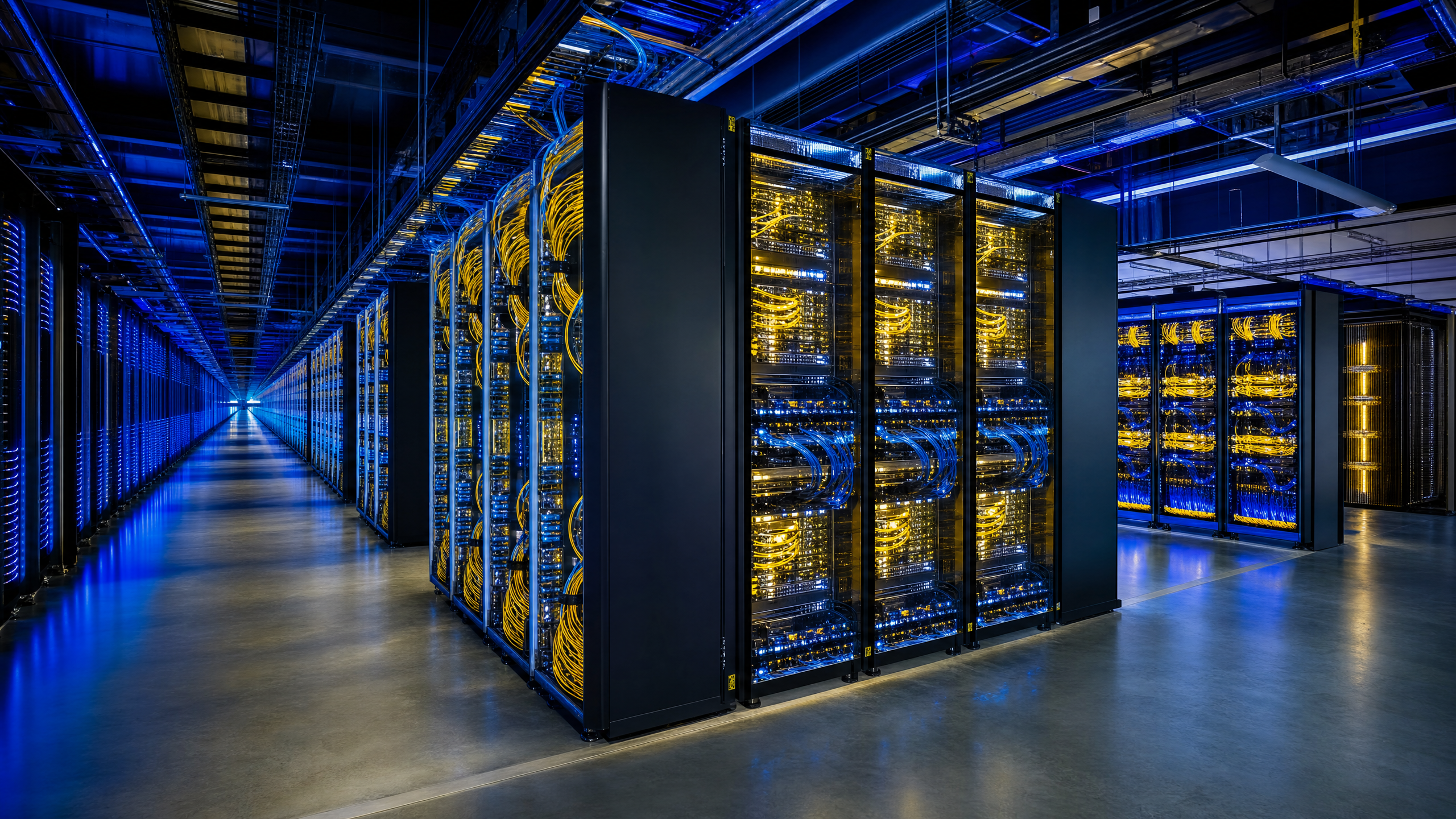
Organizations planning AI infrastructure — data centers, high-performance computing facilities, AI research campuses, edge deployments — face a common problem: the decisions they need to make span multiple engineering disciplines, but the advisors they engage typically specialize in only one.
A power consultant evaluates utility capacity. A cooling engineer designs the thermal system. A real estate advisor evaluates the site. A technology vendor proposes the compute architecture. Each brings genuine expertise. But none of them is responsible for the whole system — and the whole system is where the most consequential risks live.
AI infrastructure systems engineering is the practice of evaluating, planning, and advising on AI infrastructure as an integrated system — across power, digital, cooling, water, resilience, sustainability, governance, and the interfaces between them. It is owner-side work: the systems engineer represents the organization that will own, operate, or be accountable for the infrastructure, not the vendors or developers who will build it.
The Framework
The AISE™ Framework: 20 Engineering Domains
LegacyGrid AI's AI Infrastructure Systems Engineering (AISE™) framework organizes the practice across 20 engineering domains, grouped into five infrastructure layers. Every engagement draws from this framework — adapted to the specific project, market, and decision context.
Power Infrastructure
Utility interconnection, load forecasting, transmission and distribution analysis, backup power, demand response, and grid impact assessment. Power is typically the longest-lead and highest-risk element of any AI infrastructure project.
Digital Infrastructure
Fiber and connectivity, network architecture, redundancy, cybersecurity posture, carrier access, and digital resilience. AI infrastructure is fundamentally a digital system — the physical infrastructure exists to support it.
Cooling Systems
Cooling architecture selection, thermal load analysis, air-cooled and liquid-cooled systems, water demand, heat rejection, and the interface between cooling strategy and power efficiency.
Water Systems
Water supply, consumption, discharge, stormwater, flood risk, conservation strategy, and the regulatory and community dimensions of water use in AI infrastructure.
Energy Storage
Battery energy storage system (BESS) architecture, capacity sizing, operating states, grid services, resilience applications, and the integration of storage with power and cooling systems.
Renewable Energy
On-site generation, power purchase agreements, renewable energy certificates, grid integration, and the alignment of renewable energy strategy with AI infrastructure power requirements.
Thermal Energy Reuse
Waste heat capture, district heating integration, industrial process heat, agricultural applications, and the feasibility analysis for thermal energy reuse at AI infrastructure scale.
Site and Land
Site selection, parcel analysis, zoning, easements, land-use constraints, environmental review, and the physical characteristics that determine whether a site can support AI infrastructure.
Structural and Civil
Building systems, structural capacity, civil infrastructure, grading, drainage, access, and the physical construction requirements for AI infrastructure facilities.
Environmental Systems
Environmental impact assessment, heat and noise management, emissions, stormwater controls, sustainability commitments, and the regulatory and community dimensions of environmental performance.
Resilience Engineering
Redundancy architecture, failure mode analysis, backup systems, disaster recovery, grid stability contributions, and the design of infrastructure systems that maintain function under stress.
Sustainability Strategy
Carbon accounting, energy efficiency, water stewardship, lifecycle analysis, sustainability reporting, and the alignment of AI infrastructure with organizational sustainability commitments.
Workforce Development
Talent pipeline analysis, training program design, curriculum integration, internship and apprenticeship structures, and the workforce development requirements of AI infrastructure operations.
Community Benefit
Local hiring, vendor participation, community investment, public transparency, host-community value, and the structures that ensure AI infrastructure delivers measurable benefit to the communities it affects.
Governance and Accountability
Decision rights, approval structures, board governance, public accountability, reporting requirements, and the governance frameworks that ensure AI infrastructure commitments are actually delivered.
Deal Structure and Agreements
Lease structures, ground leases, development agreements, benefit commitments, performance requirements, exit provisions, and the agreement architecture that protects owner interests over the long term.
Regulatory and Permitting
Zoning approvals, utility permits, environmental permits, building permits, and the regulatory pathway that determines whether and when an AI infrastructure project can proceed.
Financial Analysis
Capital cost estimation, lifecycle cost analysis, revenue modeling, incentive analysis, financing structures, and the financial framework that supports owner decision-making.
Risk Management
Risk identification, probability and impact assessment, mitigation strategy, contingency planning, and the risk management framework that protects owners from the most consequential failure modes.
Program Management
Project governance, milestone management, stakeholder coordination, change control, and the program management structures that ensure complex AI infrastructure projects are delivered as planned.
The Practice
What Owner-Side Engineering Actually Means
Owner-side engineering is a specific posture. It means the engineer's primary obligation is to the organization that will own, operate, or be accountable for the infrastructure — not to the vendors, developers, or contractors who will build it.
This distinction matters because AI infrastructure involves significant conflicts of interest. Technology vendors have an interest in recommending their own products. Developers have an interest in moving projects forward quickly. Contractors have an interest in maximizing scope. None of these interests are inherently wrong — but they are not the same as the owner's interest in making the best long-term decision.
Owner-side engineering provides independent technical analysis that the owner can rely on — without the conflicts of interest that come from vendor relationships, development fees, or construction contracts. It is the practice of asking the questions that vendors and developers have an incentive not to ask.
The Standard
Seven Founding Principles
LegacyGrid AI's engineering practice is governed by seven founding principles: Independent Advice, Systems Thinking, Technology Neutrality, Resilience by Design, Responsible Infrastructure, Technical Excellence, and Knowledge Leadership. These principles are not aspirational statements — they are operating constraints that govern how we engage, what we recommend, and what we decline.
Independent Advice means we do not accept fees, commissions, or referral arrangements from vendors, developers, or contractors whose products or services we evaluate. Systems Thinking means we evaluate infrastructure as an integrated system, not as a collection of independent components. Technology Neutrality means we do not have preferred vendors or technologies — we recommend what is best for the owner's specific situation.
These principles define the professional practice boundary: we provide analysis, planning, and advisory services. We do not construct, develop, finance, or operate AI infrastructure. We do not represent vendors, developers, or contractors. We represent owners.
Professional Practice Boundary
LegacyGrid AI provides analysis, planning, and advisory services. We do not construct, develop, finance, or operate AI infrastructure. We do not represent vendors, developers, or contractors. No article, service description, or market page implies an existing client, completed engagement, or verified performance outcome unless explicitly stated with documented verification.