AI Data Centers Should Pay Their Own Way — But That Is Only the Beginning
The White House has expanded its Ratepayer Protection Pledge. That is a good starting point. But protecting families, utilities, cities and institutions will require more than a promise. It will require a complete infrastructure framework.
Carl Adams, Founder — LegacyGrid AI · July 23, 2026 · 8-minute read
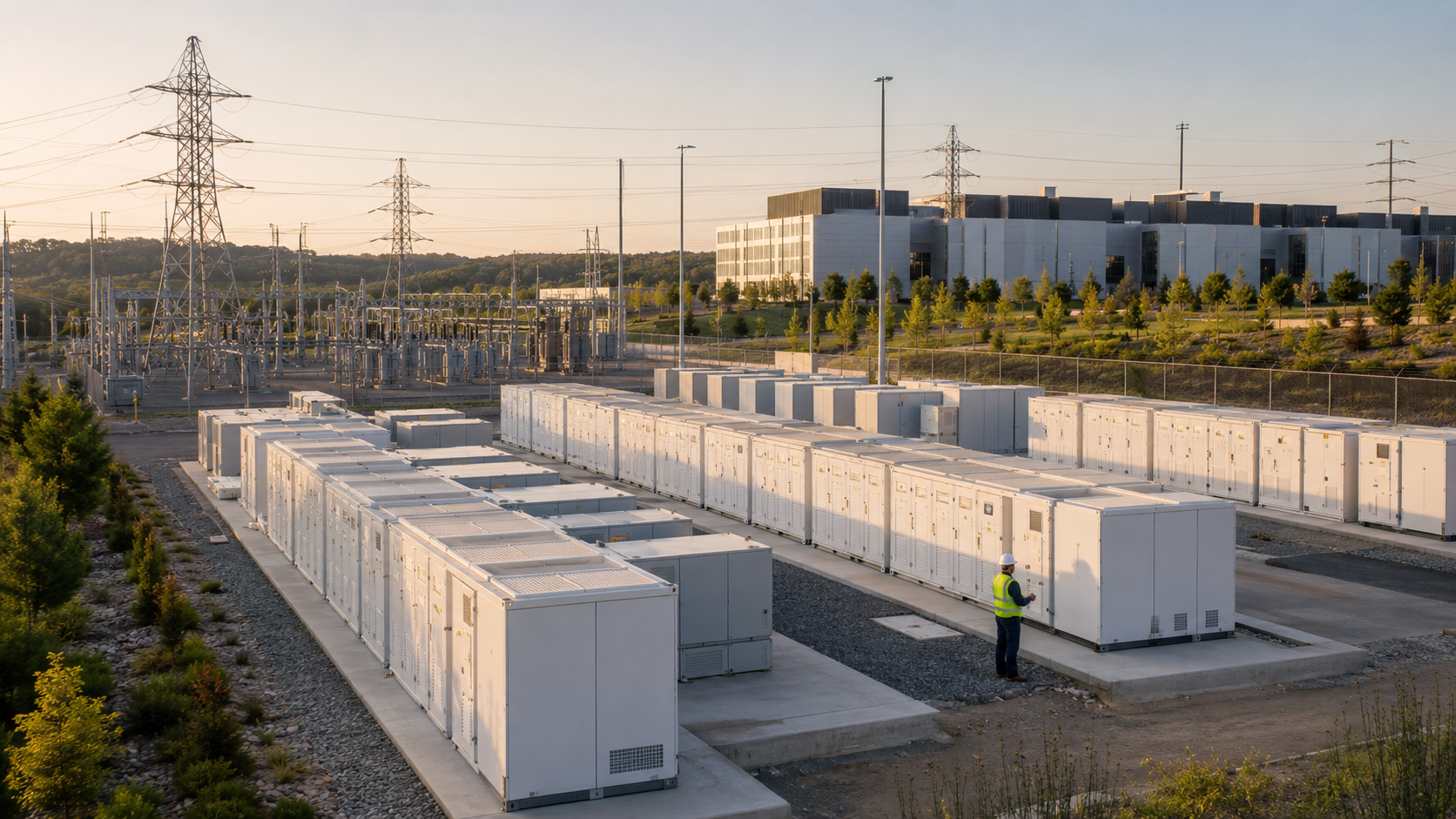
Battery storage arrays adjacent to an AI data center campus — the infrastructure behind the pledge.
AI data centers should pay their own way. That should not be controversial. If a private company needs hundreds of megawatts of new power, new substations, new transmission capacity, backup generation, water infrastructure, roads and emergency-response resources, those costs should not quietly show up on the monthly utility bills of families who had no seat at the table.
On July 23, the White House announced a major expansion of its Ratepayer Protection Pledge. According to the administration, more than 200 utilities, data center developers, cooperatives, states and other organizations are now participating. The stated goal is straightforward: large data center operators — not ordinary utility customers — should pay for the generation and delivery infrastructure their projects require.
I agree with the principle. In fact, I think it should be the starting point for every large AI infrastructure proposal in America.
But we also have to be honest: a voluntary pledge is not the same thing as a complete project standard. The bill that never reaches a homeowner can still show up somewhere else — in deferred grid maintenance, public incentives, strained water systems, emergency-response obligations, reduced land-use flexibility, or infrastructure that serves one private customer without creating lasting public value.
Protecting ratepayers is not just about deciding who pays the electric bill. It is about deciding who carries the total infrastructure burden — and who receives the long-term benefit.
The Pledge
The Pledge Addresses a Real Concern
The growth of AI is changing the scale of data center development. These are no longer always ordinary commercial facilities that can be evaluated using the same assumptions cities have used for warehouses, offices or small server rooms.
A project may arrive with demand measured in hundreds of megawatts. It may require dedicated generation, transmission upgrades, substations, battery systems, backup generation, fiber routes, road improvements, water planning and new emergency procedures. In some communities, the data center may become one of the largest electricity users in the region.
That is why the ratepayer question matters. When a project creates a large new load, the public deserves to know who will pay for the additional capacity and who remains responsible if the project is delayed, downsized or abandoned after infrastructure has already been committed.
The pledge includes important ideas: build, bring or buy new power; pay for delivery upgrades; use separate rate structures; invest in local workforce development; and contribute to grid and community resilience. Those are strong baseline commitments. They should be written into project agreements, utility tariffs, development conditions and public reporting requirements wherever legally appropriate — not left as broad promises that are difficult for a community to verify.
Total System Responsibility
The Real Issue Is Total System Responsibility
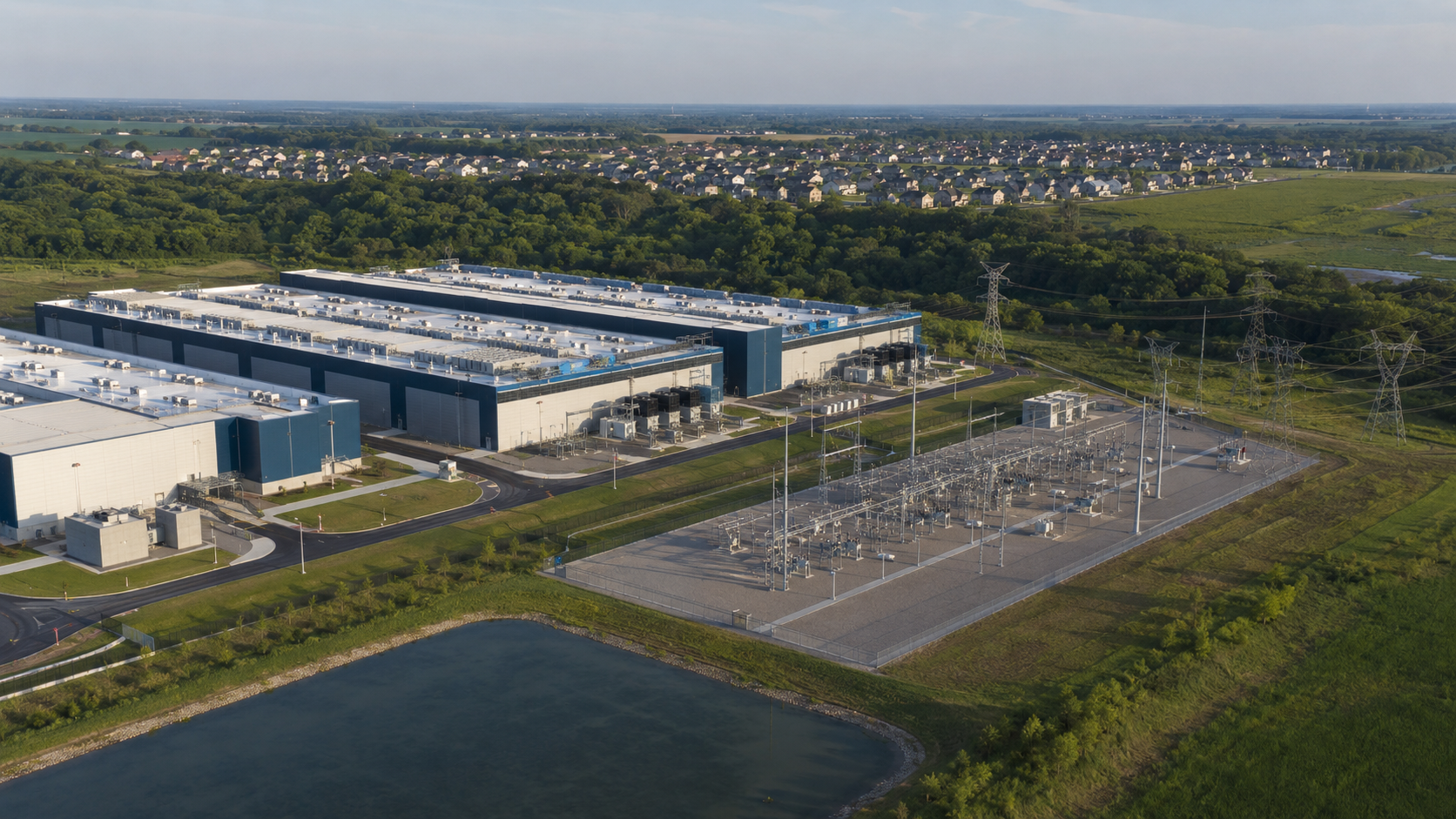
A large AI data center is not just a building filled with computers. It is a power project, a cooling project, a water decision, a resilience strategy, a land-use commitment, a workforce opportunity and a long-term public-policy decision — all at the same time.
That is why cities and institutions should not evaluate these projects one department at a time and hope the pieces eventually add up. Planning must begin with the complete system.
These questions do not stop development. They improve it. Good projects should be able to answer them clearly.
Verification
A Promise Needs a Way to Be Verified
The pledge says participating companies will cover required energy and infrastructure costs. The next question is how a city, utility commission, university, landowner or resident will know that this is actually happening.
Responsible infrastructure requires more than a press release. It requires written commitments, defined baselines, measurable thresholds, independent review, public reporting where appropriate, and a correction process when performance does not match the promise.
For example, if a data center promises not to increase costs for existing customers, the public should be able to understand the separate rate structure, the infrastructure cost allocation, the minimum-payment commitment, and the protection against stranded assets. If the project promises local jobs, there should be clear definitions for local hiring, training, internships, suppliers and reporting. If it promises grid resilience, the agreement should state what resources can be dispatched, under what conditions and for whose benefit.
The point is not to bury projects in paperwork. The point is to make sure the benefits being used to justify approval can later be verified.

Community Value
Communities Should Receive More Than Protection From Harm
Keeping utility bills from increasing is important, but communities should not be asked to view "your bills did not go up" as the full public benefit of a major infrastructure project.
Large data centers can create real value when they are structured correctly. They can support new generation, strengthen substations, improve resilience, create technical training programs, fund academic research, provide institutions with compute access, support local suppliers, and create long-term revenue through carefully designed land and infrastructure agreements.
This is especially important when projects are located near universities, HBCUs, colleges or communities that have historically watched major development occur around them without gaining meaningful ownership, access or long-term participation.
The better question is not simply, "Will this project avoid hurting us?" The better question is, "How will this project strengthen the institution and community that will live beside it for the next 20 or 30 years?"
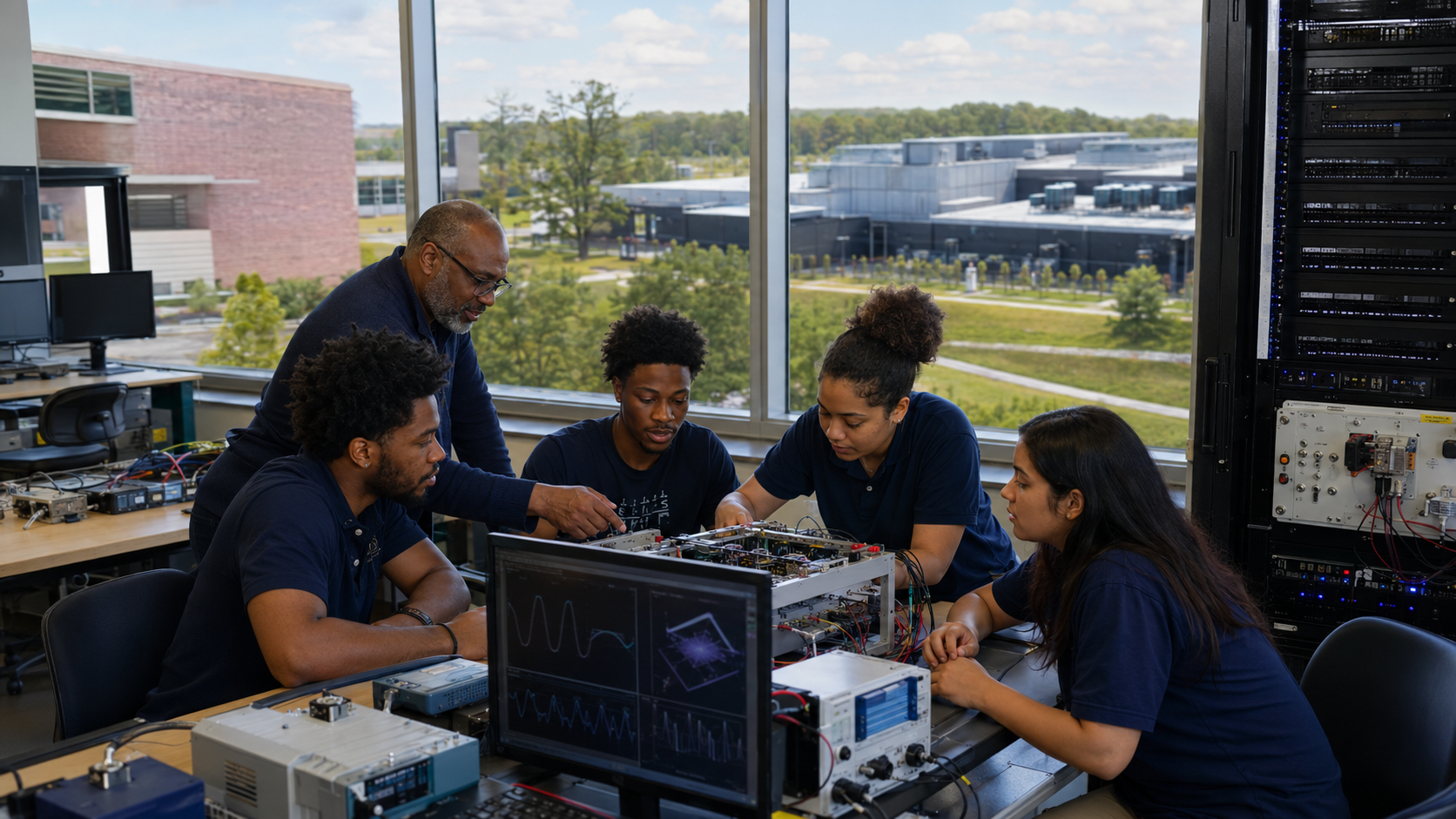
A responsible AI infrastructure project should protect the public from costs, strengthen the systems it depends on, and leave measurable value behind.
Why Cities Are Slowing Down
This Is Why Cities Are Slowing Down
Across the country, data center proposals are facing more scrutiny, delayed approvals and moratorium discussions. That does not mean America should stop building AI infrastructure. It means the old approval process was not designed for the scale of what is now being proposed.
Cities are being asked to make decisions involving hundreds of megawatts, billions of dollars, utility planning, environmental tradeoffs and decades of land use — sometimes with zoning language that does not meaningfully distinguish a small server room from a major AI campus.
Pausing long enough to create a serious framework is not anti-technology. It is basic infrastructure responsibility.
What Should Happen Next
What Should Happen Next
The expanded Ratepayer Protection Pledge creates a useful national baseline. Now states, utilities, cities, universities and project sponsors should turn those principles into a practical, transparent system for evaluating real projects.
America can lead in AI without asking families to subsidize the infrastructure behind it. But we should aim higher than simply preventing a bad outcome.
We should build AI infrastructure that pays its own way, strengthens the grid, respects local resources, supports institutions, creates measurable community value and remains accountable long after the announcement ceremony is over.
The pledge is a good beginning. Now the hard work starts.
LegacyGrid AI provides independent, owner-side AI infrastructure systems engineering and advisory support. We help institutions, landowners and public decision-makers evaluate the full power, cooling, resilience, environmental, economic and community implications of major AI infrastructure opportunities.
Contact LegacyGrid AI →The White House Ratepayer Protection Pledge is a policy commitment. LegacyGrid AI's EDC Framework is the implementation layer — the structured methodology that translates the pledge's principles into enforceable deal terms, community benefit agreements, and verified impact tracking for every AI infrastructure partnership. Layer 3 (Deal Structure and Guardrails) specifically addresses cost-shifting protections, utility impact controls, and community benefit requirements that mirror the pledge's intent.
For HBCUs and communities in data center corridors, the pledge matters — but only if the partnership agreement enforces it. LegacyGrid AI builds the enforcement framework before any partner conversation begins. Request an assessment to understand what your institution's AI infrastructure opportunity looks like under the LGAI methodology.
REQUEST AN ASSESSMENT →