Data centers are not ordinary buildings. They are high-impact infrastructure — and cities need a better way to evaluate them before communities are forced into crisis decisions.
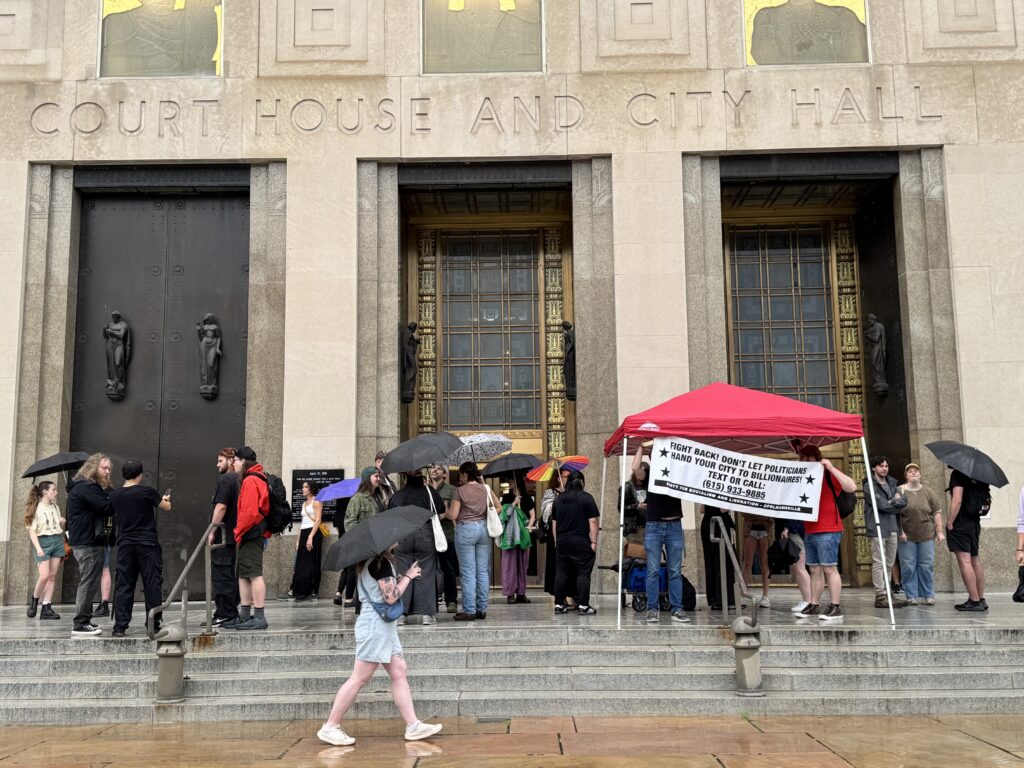
In July 2026, Nashville Mayor Freddie O'Connell urged Metro Council to support data-center-specific zoning standards and a temporary pause on new data center approvals. His core concern was simple and important: Nashville's zoning code did not distinguish between a small server room and a hundred-megawatt data center campus.
The proposed moratorium legislation, BL2026-1448, identifies the exact categories cities are now struggling to understand: high electrical demand, backup generators, fuel storage, battery systems, substations, transformers, cooling systems, mechanical equipment, noise, vibration, lighting, stormwater impacts, security fencing, emergency-response concerns, and continuous 24-hour operations.
"That list is not anti-technology. It is the beginning of responsible infrastructure governance."
LegacyGrid AI believes data centers can be valuable public, institutional, and economic assets. But that value only becomes real when projects are reviewed as infrastructure systems, not simply as buildings. A city should not have to choose between "approve everything" and "block everything." A better path is possible.
The Core Problem: The Zoning Code Was Not Built for Modern AI Infrastructure
For decades, many local zoning codes treated data centers as office, telecom, warehouse, utility, or industrial uses. That may have worked when the facility was a small server room or modest back-office computing site. It does not work for modern AI infrastructure.
A large-scale data center may operate continuously, draw major electrical load, require utility upgrades, use intensive cooling systems, include battery energy storage, rely on backup generation, affect stormwater and emergency planning, and create land-use conflicts near sensitive sites.
This is where communities get stuck. Residents ask questions about noise, power, water, generators, wildlife, air quality, public benefit, jobs, traffic, and long-term land use. Developers respond with broad assurances. City staff are left to interpret outdated code. Elected officials face public pressure. The result is a crisis decision instead of a structured review.
Data Centers Should Be Classified by Impact, Not Just by Name
The first step is classification. A city should not regulate every data center the same way. A small enterprise server room, a moderate colocation facility, and a high-density AI campus are not the same land use.
LegacyGrid AI recommends that cities classify data centers using measurable factors, including:
- Planned electrical demand
- IT load and facility load
- Site acreage and building scale
- Cooling method
- Water use and water source
- Backup generation
- Battery energy storage
- Substation or transformer requirements
- Mechanical-equipment intensity
- Noise and vibration profile
- Operating hours
- Proximity to sensitive uses
"The question should not be, 'Is this a data center?' The better question is: What type of data center is this, what infrastructure does it require, and what impacts must be reviewed before approval?"
The 12 Questions Every City Should Ask Before Approval
1. What is the actual power demand?
Require disclosure of projected IT load, total facility load, phased load growth, peak demand, and whether the power path is studied, reserved, contracted, or merely requested.
2. What utility upgrades are required?
Identify substations, transformers, transmission or distribution upgrades, interconnection timing, interim power, and who pays for infrastructure improvements.
3. How will the facility be cooled?
Understand whether the project uses air cooling, liquid cooling, chillers, dry coolers, evaporative cooling, cooling towers, hybrid systems, or another method.
4. How much water will the project use?
Include annual water use, peak-day water use, water source, water treatment, discharge, drought exposure, and whether reclaimed or non-potable water is feasible.
5. What backup generation will be used?
Know whether the project uses diesel generators, gas generation, battery systems, fuel cells, or other backup systems. Fuel storage, testing, runtime, emissions, noise, and emergency response should be disclosed.
6. Is battery energy storage included?
Battery systems require safety planning, fire coordination, chemistry disclosure, monitoring, and emergency-response procedures.
7. What are the noise and vibration impacts?
Mechanical equipment, cooling systems, transformers, generators, and 24-hour operation can create impacts very different from a normal commercial building.
8. What are the lighting, security, and visual impacts?
Security fencing, lighting, truck access, cameras, walls, and utility equipment should be evaluated against nearby public spaces and neighborhoods.
9. What happens during emergencies?
Cover fire, power outages, backup operation, battery incidents, fuel events, severe weather, cybersecurity events, and emergency access.
10. What public or institutional benefit is created?
Ask about workforce pathways, local hiring, education partnerships, compute access, community resilience, public infrastructure contributions, and transparent reporting.
11. What claims are being made?
If a developer claims a project is sustainable, efficient, water responsible, community beneficial, resilient, or low impact, those claims should be tied to measurable evidence.
12. What conditions should follow the project after approval?
Require monitoring, reporting, material-change disclosure, and enforcement mechanisms.
A Practical Data Center Readiness Framework for Cities
LegacyGrid AI recommends that cities develop a readiness framework with six layers.
1. Data Center Classification
Define data centers by size, power demand, operating intensity, cooling method, backup power, and proximity to sensitive uses.
2. Required Developer Disclosures
Require early disclosure of power, water, cooling, backup generation, BESS, substations, transformers, noise, lighting, stormwater, security, emergency response, and public benefit.
3. Sensitive-Site Review
Create heightened review for projects near schools, parks, residential areas, hospitals, greenways, zoos, universities, and community-serving institutions.
4. Infrastructure Impact Review
Evaluate grid readiness, utility upgrades, water source, stormwater, transportation access, emergency response, and long-term operational impacts.
5. Claims Integrity
Require developers to support environmental, efficiency, resilience, workforce, and community-benefit claims with evidence.
6. Monitoring and Accountability
Require post-approval reporting, material-change disclosure, enforcement conditions, and public-facing transparency where appropriate.
"Nashville is not just debating a data center. Nashville is showing the country why AI infrastructure needs a new public-review framework."
Related reading: Blog: Nashville Shows Why Cities Need a Modern Data Center Readiness Framework · Community Benefit Is Not Optional · AI Infrastructure Must Earn Its Place